The Neurodivergent Cogitators & Creators
The Neurodivergent Cogitators & Creators
From Flock to Finished Fibre: The ADHCrafts Process
Turning fleece into something useful can feel a bit mysterious at first. You may have a bag of sheep fleece, alpaca fibre or another natural fibre and know that you want to do something meaningful with it and not know where to begin.
You do not need to know all the fibre terms before getting in touch.
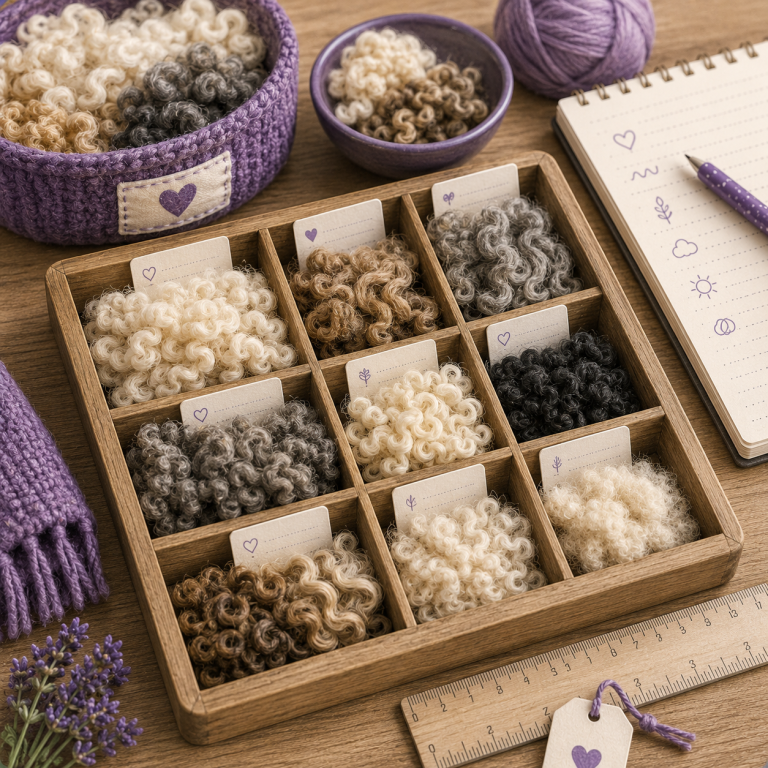
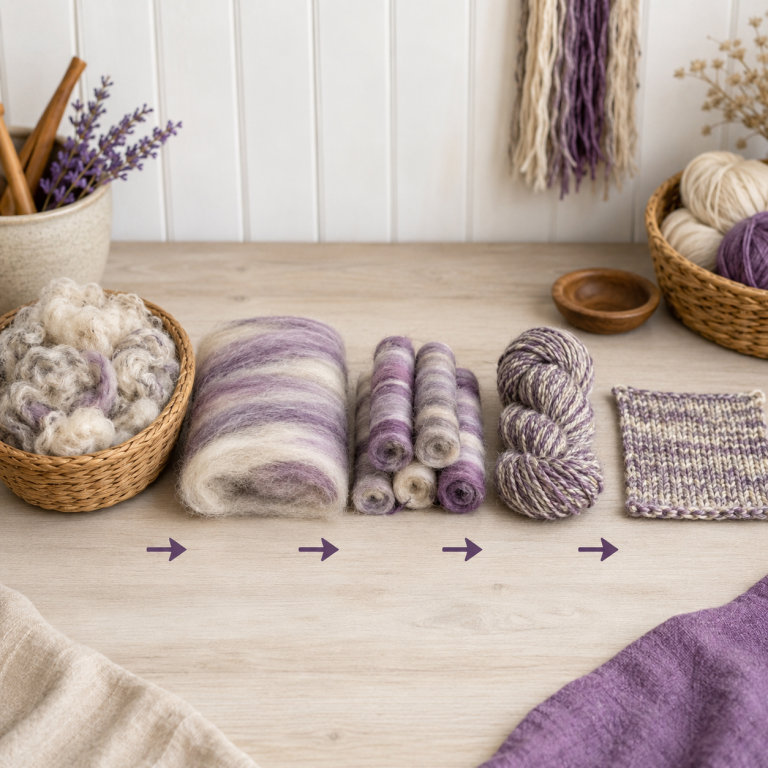
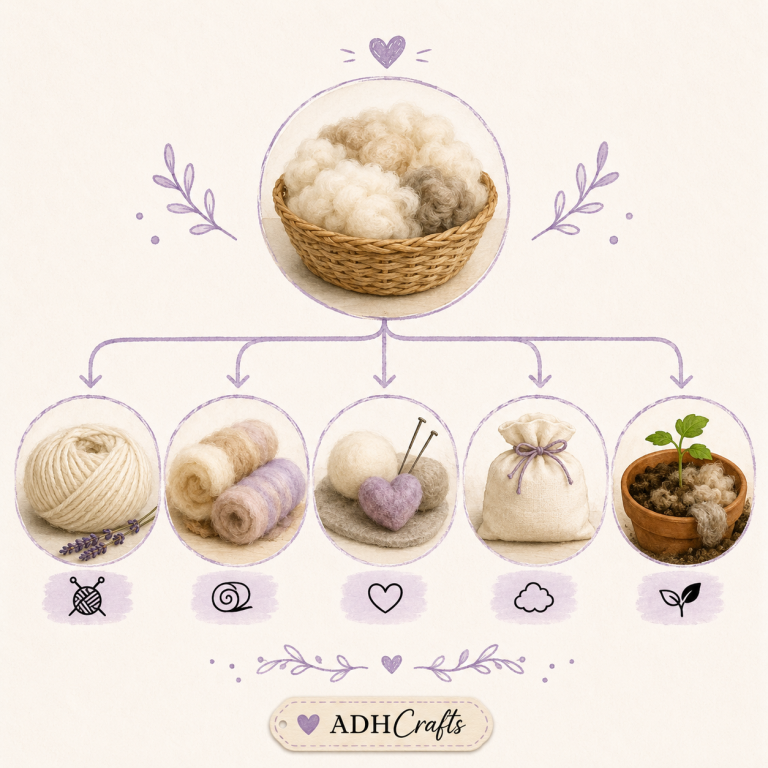
ADHCrafts offers a small-batch, supportive fibre processing service that helps you understand what may be possible. Your fibre may become hand spun yarn, batts, rolags, roving, felting fibre, stuffing, samples or another useful fibre form depending on its condition and intended use.
Every fleece is different. Breed, animal health, shearing quality, storage, staple length, strength, vegetable matter and matting can all affect the best processing route.
This guide explains the journey from first enquiry to finished fibre, so you know what to expect before you begin.
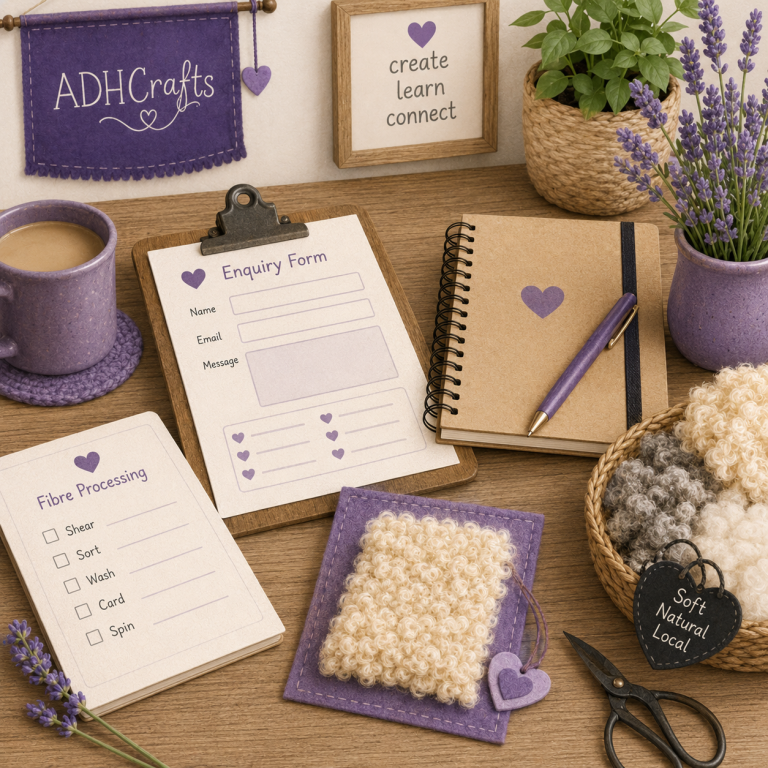
The ADHCrafts process begins with an enquiry.
An enquiry is not the same as a confirmed booking. It is the first step in understanding your fibre, your hopes for the project, and whether ADHCrafts may be able to help.
At this stage, you might know exactly what you want, or you might simply know that you have fleece and do not want it to go to waste. Both are fine.
Useful things to mention include:
Please do not post or drop off fibre at the enquiry stage.
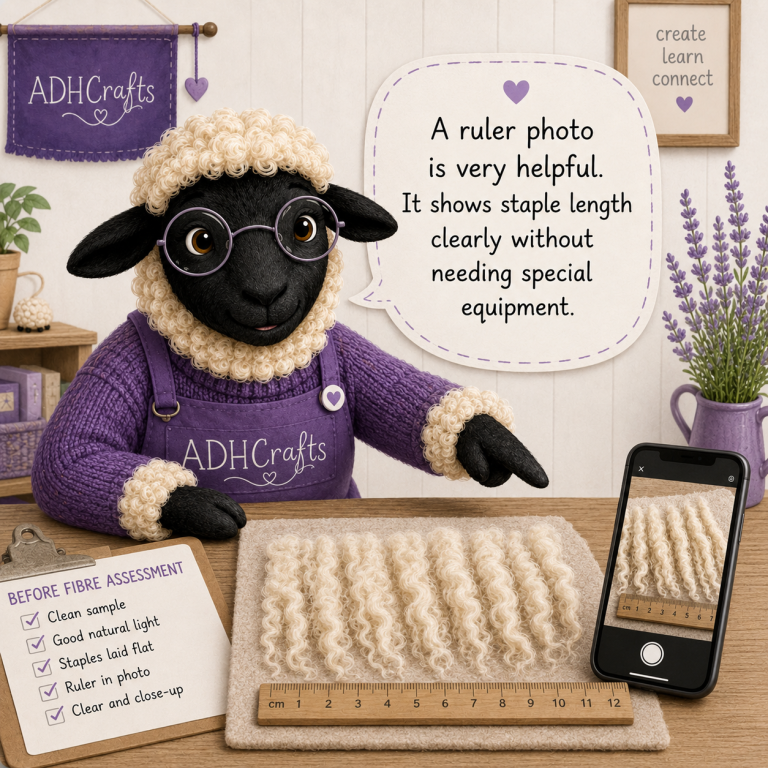
Photos can help ADHCrafts give early guidance before fibre is accepted.
Helpful photos include:
Photos cannot guarantee suitability, but they are useful for spotting possible issues and deciding whether a sample, chat or further assessment may be needed.
You do not need professional photos. Clear, natural-light photos are usually enough.
Once the enquiry has been reviewed, ADHCrafts considers whether the fibre may be suitable for the requested outcome.
Fibre may be assessed for:
Final assessment can only happen once the fibre is handled in person, but early information helps reduce surprises.
This is also where ADHCrafts may suggest that the fibre is better suited to a different use than originally planned.
For example, a fleece may not be ideal for soft yarn but may still be useful as felting fibre, batts, stuffing, samples or at worst garden use.
Not every fleece needs to become yarn.
Depending on the fibre, possible outcomes may include:
The best outcome depends on both the fibre and what you want to do with it.
If you are unsure, you can choose “help me decide” when you enquire. ADHCrafts can then guide you towards a realistic option.
Guides useful at this stage -
If your project is accepted, ADHCrafts will confirm the next step.
This may include:
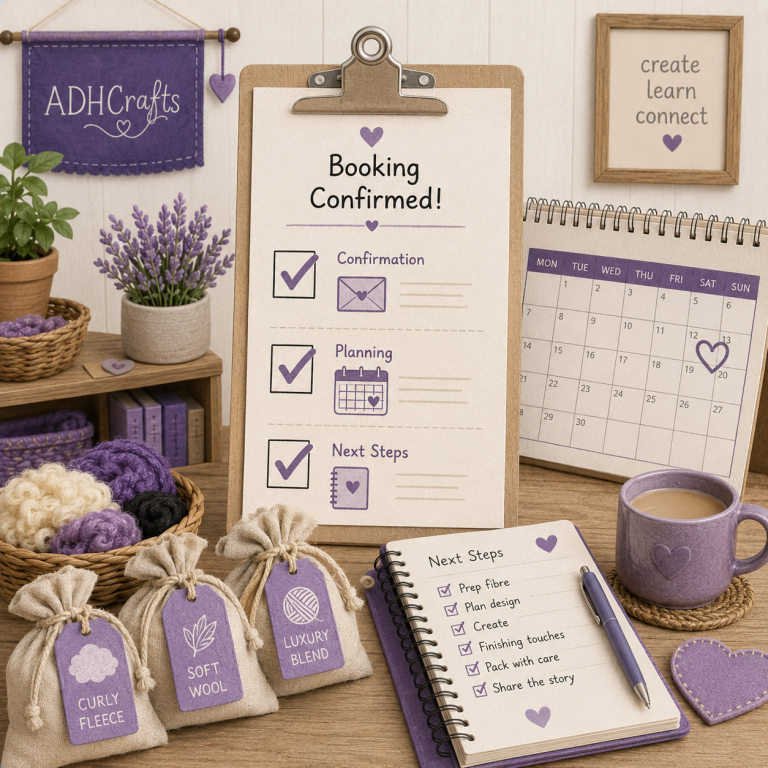
Your booking is only confirmed once the agreed steps have been accepted and any required deposit has been paid.
Please do not post or drop off fibre until your booking has been confirmed and you have been given an agreed start date or delivery window.
This protects your fibre, your booking and the ADHCrafts workspace.
Helpful Links at the stage -
Once your confirmed delivery or drop-off window arrives, your fibre can be sent or delivered according to the agreed instructions.
When fibre arrives, it is checked against your booking details.
ADHCrafts may record key information such as:
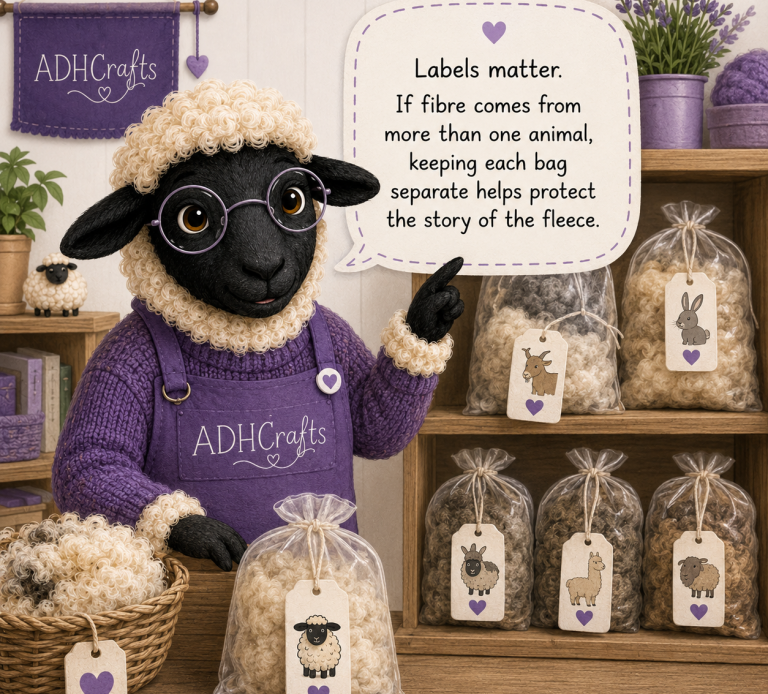
Fibre is labelled and kept separate unless a blend has been agreed.
This is especially important for customers who want to preserve provenance, keep fibre linked to a particular animal, or compare different fleeces.
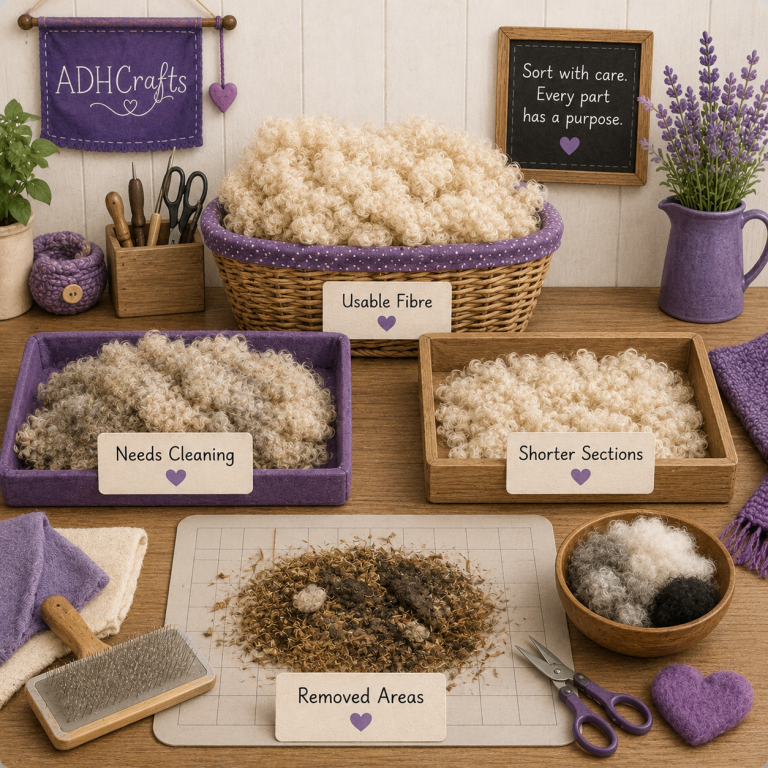
Skirting means removing unsuitable or lower-quality areas before processing.
This may include:
Cleaning may then remove grease, sweat, dirt and loose debris.
Fibre loss is normal during skirting, washing and preparation. Raw fleece contains more than usable fibre, so the finished return will usually weigh less than the starting amount.
The aim is not to make every fleece perfect. The aim is to protect the best fibre and choose the most suitable use for what you have.
Guide -
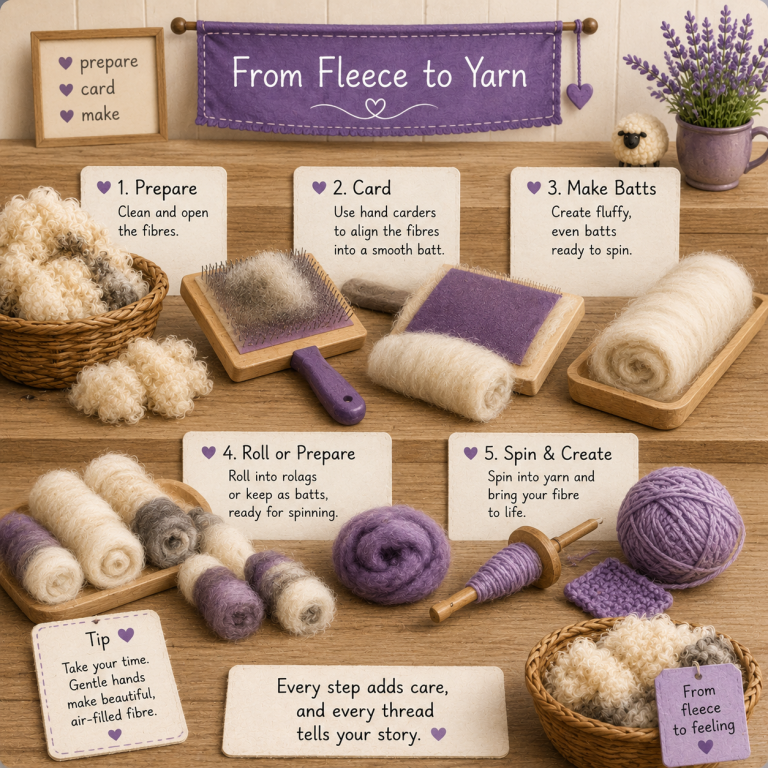
After washing and drying, suitable fibre may move into preparation.
Depending on the project, this may include:
The right preparation depends on the fibre and the intended result.
Some fibre is best as soft batts. Some works better as textured rolags. Some may spin well into yarn. Some may be better as felting or craft fibre.
ADHCrafts aims to work with the fibre, rather than forcing it into a result that does not suit it.
Guide -
Once processing is complete, the fibre or yarn is checked and finished according to the agreed project.
This may include:
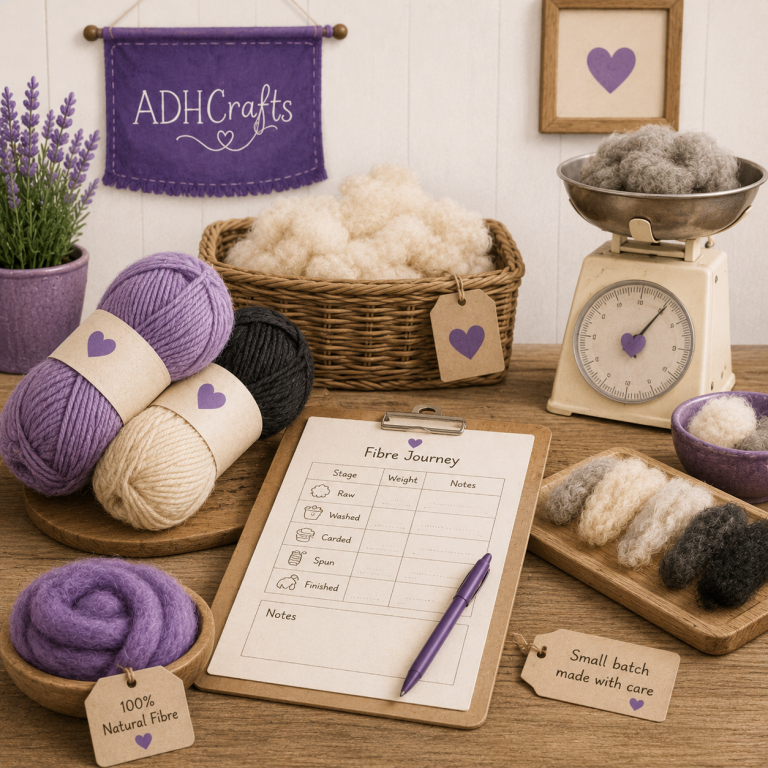
A processing log or fibre journey record may be used to document key details such as incoming weight, observations, processing method, clean weight, yield and final presentation.
This helps customers understand what happened during the process and why the final weight may be different from the starting weight.
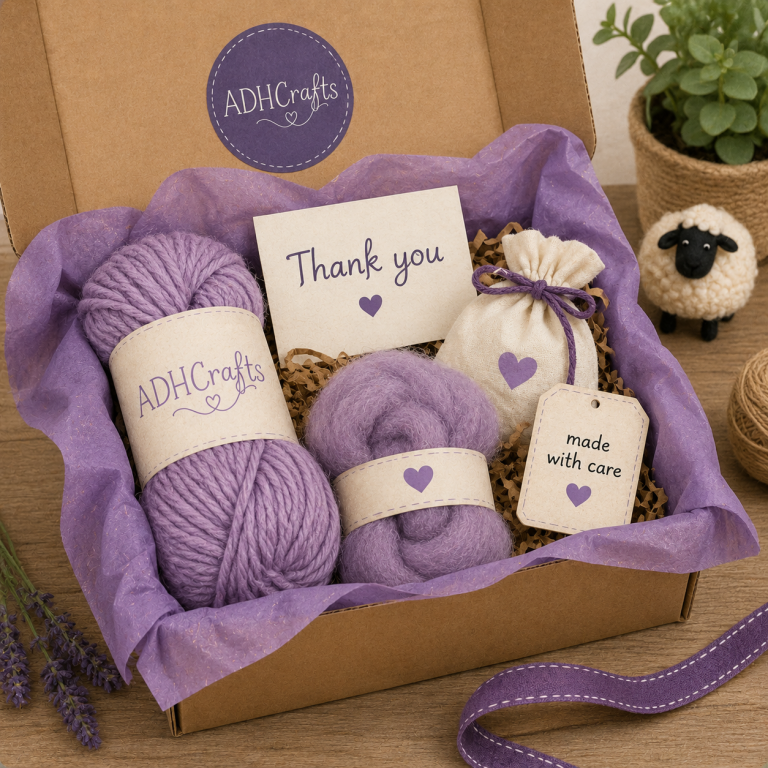
Once the project is complete and the final balance has been paid, your finished fibre, yarn or samples will be prepared for return or collection.
Depending on the project, you may receive:
Completed project return postage is usually included as part of the agreed project cost, unless something different has been agreed in writing.
Local collection or drop-off may be arranged where appropriate.
Sometimes fibre may not be suitable for the original requested outcome.
This can happen if it is:
This does not mean the animal or fleece has failed.
Some fibre may still be useful in another way. It may be better suited to felting, stuffing, samples, display, garden use or compost rather than yarn.
If ADHCrafts cannot safely or realistically process the fibre, this will be explained as clearly and kindly as possible.
Guide -
You do not need to have all the answers before getting in touch.
You may know the breed, staple length and exact outcome you want. Or you may simply have a fleece from a much-loved animal and want to know whether something useful can be made from it.
Both are welcome starting points.
ADHCrafts is here to help you understand the best realistic use for your fibre through a calm, small-batch and supportive process.
Start with the enquiry form and choose “help me decide” if you are unsure.
Start Your Fleece Enquiry
Secondary button: Help Me Decide What My Fibre Can Become
We need your consent to load the translations
We use a third-party service to translate the website content that may collect data about your activity. Please review the details in the privacy policy and accept the service to view the translations.