The Neurodivergent Cogitators & Creators
The Neurodivergent Cogitators & Creators
Introduction
This guide explains the main things ADHCrafts checks before processing fleece or fibre. It is here to help you understand the words used in the enquiry form, what can affect the finished result, and why fibre loss can happen during processing.
Every fleece is different. Breed, age, health, shearing, storage, weather, fibre length, strength and intended use can all affect what is possible. A fleece does not have to be perfect to be useful, but it does need to be safe and suitable for the type of processing requested.
Some fibre may become yarn. Some may be better as batts, rolags, felting fibre, stuffing, samples, or keepsake projects. The aim is always to choose the best use for the fibre you have.
Final suitability can only be confirmed once the fibre has been assessed in person.
1. What ADHCrafts Can Help With
ADHCrafts offers small-batch, hands-on fibre processing for customers who want to make better use of their sheep fleece, alpaca fibre, or other suitable animal fibres.
This may include:
This service is especially suited to small flocks, pet sheep, alpacas, rare breed fleece, keepsake fibre, and customers who want a more personal approach to their fibre.
Fibre Assessment
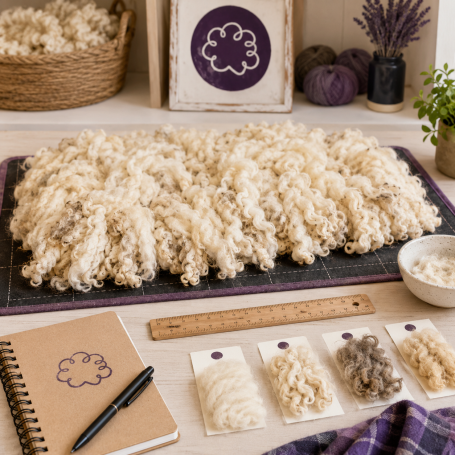
Fibre assessment is the first step in deciding what may be possible.
When assessing fibre, ADHCrafts looks at:
This helps decide whether the fibre may be suitable for washing, carding, spinning, felting, blending, sampling, or another use.
Photographs can be helpful before booking, but they cannot show everything. The final assessment happens when the fibre can be handled, opened and checked properly.
Skirting and Cleaning
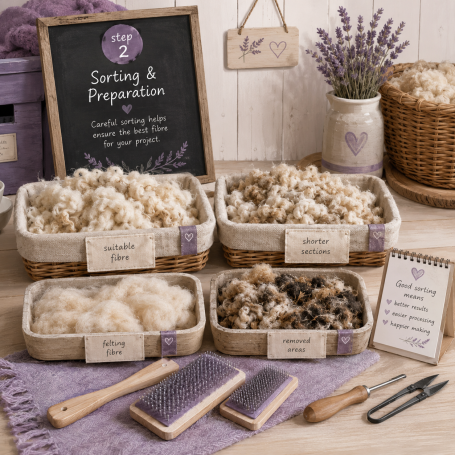
Skirting means removing the lower-quality or unsuitable parts of a fleece before processing.
This may include:
Cleaning removes grease, dirt, sweat, dust and some loose debris from the fibre. It does not make every fleece perfectly free from vegetable matter, and it cannot repair weak, damaged or felted fibre.
Removing unsuitable sections helps protect the better fibre and gives the best chance of a useful finished result.
Carding and Fibre Preparation
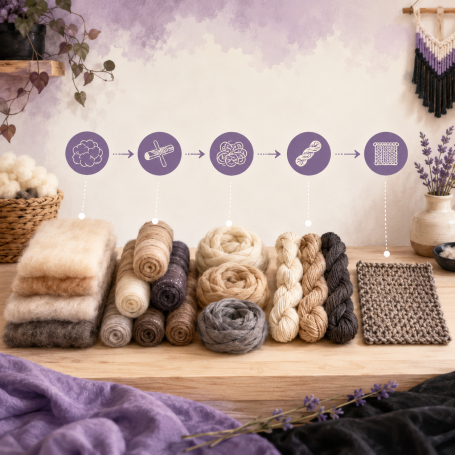
Carding and preparation help organise the fibre so it can be used for spinning, felting or other fibre crafts.
Depending on the fibre and intended use, preparation may include:
The right preparation depends on the fibre itself. Some fleece cards beautifully into soft batts. Some is better suited to textured rolags. Some fibre may need blending or may be more suitable for felting than spinning.
ADHCrafts will always aim to prepare the fibre in a way that suits both the material and the intended end use.
Hand Spinning
Suitable fibre may be hand spun into yarn.
The final yarn will depend on:
Yarn weight cannot always be guaranteed exactly, especially with small-batch, hand-processed fibre. Some fleece naturally wants to become a finer yarn, while other fibre is better suited to a thicker, more textured or rustic yarn.
The aim is to create yarn that works with the fibre rather than forcing it into something unsuitable.
Sample Processing
Sample processing can be a helpful way to reduce risk before committing to a larger project.
A sample can show:
This is especially useful for older fleece, rare breed fibre, alpaca, sentimental fibre, mixed bags, or fibre where the condition is uncertain.
2. What Affects the Final Result’s
Several things affect how fibre behaves during processing and what the finished result may look or feel like.
The three main checks are:
Other checks include:
Staple Strength
Staple strength means how strong the lock of fibre is from cut end to tip.
Strong fibre usually holds together when gently pulled. Weak fibre may snap, crumble or break in the middle.
Weakness can be caused by:
Weak fibre may not be suitable for spinning into a strong yarn, but it may still have other uses depending on condition.
Staple Length
Staple length is the length of the lock of fibre.
It affects how the fibre can be processed and what it may be suitable for.
As a general guide:
Staple length
Possible suitability
Under 2.5cm / 1 inch
Usually too short for spinning
2.5–5cm / 1–2 inches
May suit felting, blending or sampling
5–10cm / 2–4 inches
Suitable for carding and spinning
10–15cm / 4–6 inches
Combing, carding or specialist prep suitable for spinning
Over 15cm / 6 inches
May need extra preparation depending on fibre type
These are only guidelines. Some breeds naturally have shorter, longer, finer, coarser or more textured fibre.
Vegetable Matter
Vegetable matter is the plant material found in fleece or fibre.
This may include:
Some vegetable matter is normal, especially in raw fleece. However, heavy vegetable matter can be difficult or time-consuming to remove.
It may affect:
Cleaner, better-skirted fibre usually gives a better return.
Second Cuts
Second cuts are very short pieces of fibre caused when the shearer passes over the same area more than once.
They can create tiny, short fibres that may:
Some second cuts are normal, but a fleece with lots of them may be harder to process successfully.
Matted or Felted Areas
Matted or felted fibre has already started to lock together.
This can happen through:
Light matting may sometimes be opened up, but heavily felted areas are often removed. Once fibre is felted into a firm mass, it may no longer be suitable for carding or spinning.
Damp, Musty or Poor Storage
Storage has a big effect on fibre suitability.
Fibre stored damp or sealed in plastic while still warm or wet can develop:
A musty smell does not always mean the fibre is unusable, but it does mean the fibre needs careful assessment before processing.
Moth Damage
Moth damage can make fibre weak, dusty, broken or unsafe to store near other fibre.
Signs may include:
Active moth infestation is a serious issue because it can spread to other fibre, yarn and textiles. Fibre with moth activity will not be suitable for ADHCrafts processing, with limited storage available the risk of contamination to other fleeces in same storage area is too high. As a small business I can’t afford to risk own and other customers fibre orders.
Guard Hair in Alpaca
Alpaca fibre may contain guard hair, which is coarser and straighter than the softer undercoat.
Guard hair can affect:
Some guard hair can be worked with, but very coarse or heavily mixed fibre may be better suited to sturdy yarns, weaving, felting, stuffing or non-wearable projects.
Intended End Use
The intended use matters.
The same fleece may not be suitable for every purpose. For example, a fibre that is not ideal for soft knitting yarn may still be useful for:
The goal is to match the fibre to a realistic and useful outcome.
3. Why Fibre Loss Happens
Fibre loss is a normal part of fleece processing.
Raw fleece is not the same weight as finished fibre or yarn. During processing, some weight and volume will be lost.
This can happen because:
This is why the finished return is usually lighter than the raw fleece weight. ADHCrafts offers to return unsuitable fibre for the chosen project so it can be used for composting, mulching etc. If this offer is declined we send the waste fibres to a friend who uses them in composting at home and at a sustainable farm.
Grease and Dirt Wash Out
Raw sheep fleece can contain a significant amount of grease, sweat, dust and dirt.
When the fleece is washed, this weight is removed. This is a good thing, but it means the fibre weighs less after cleaning.
Some breeds are naturally greasier than others, so weight loss varies from fleece to fleece.
Vegetable Matter May Need Removing
Vegetable matter may fall out during handling, washing, picking, carding or spinning. Some may need to be removed by hand.
If there is a lot of vegetable matter, more fibre may be lost during preparation.
Weak or Short Fibre May Be Lost
Weak fibre may break during washing, opening or carding.
Short fibres may fall out because they are not long enough to stay within the preparation.
This is especially common with second cuts, brittle fibre, weathered tips or fleece with a break in the staple.
Matted or Felted Areas May Be Removed
Matted or felted areas may not open up enough for processing.
If these sections cannot be safely or practically prepared, they may need to be removed so the better fibre can be used.
Better-Skirted Fibre Usually Gives a Better Return
The cleaner and better sorted the fibre is before it arrives, the better the likely return.
A well-skirted fleece usually has less waste, fewer unsuitable areas, and a clearer processing route.
A heavily contaminated fleece may still be useful, but it may have more loss, need more time, and additional costs in order to get it to a usable condition or it may be better suited for a different end use.
4. When Fibre May Not Be Suitable
A fleece does not have to be perfect to be useful. Some fibre may become yarn, some may be better as batts or felting fibre, and some may be better used for stuffing, compost or garden projects.
The aim is to choose the best use for the fibre you have.
However, some fibre may not be suitable for ADHCrafts processing.
Fibre may be unsuitable if it is:
This is not a judgement on the animal or owner. Fleece can deteriorate quickly if it is sheared in poor weather, stored damp, left sealed without airflow, or kept for a long time.
If fibre is unsafe, heavily contaminated, or too damaged to survive processing, ADHCrafts may not be able to accept it.
5. Booking and Sending Fibre
Please do not post or drop off fibre until your booking has been confirmed and you have been given an agreed start date or delivery window.
This helps avoid fibre being stored for too long, arriving unexpectedly, or being sent before suitability has been discussed.
Before sending fibre, please make sure it is:
Useful information to include:
Please avoid sending damp fibre or sealing damp fleece in plastic bags. Damp fibre can quickly develop mould, mildew or fibre damage. The order form can be printed and included with the fibre allowing for immediate tracking on arrival, you can also add additional notes on the form.
If you are unsure whether your fibre is suitable, please contact ADHCrafts before sending it.
Helpful Photos to Send Before Booking
Photos can help with early guidance before fibre is posted or dropped off.
Helpful photos include:
Photos cannot guarantee suitability, but they can help decide whether the fibre is likely to be worth assessing in more detail.
What May Happen After Assessment
After assessment, ADHCrafts may suggest:
The recommendation will depend on the fibre condition, your intended use, and what is realistic for the material.
Not Sure What Your Fleece Can Become?
If you are unsure whether your fibre is suitable, ADHCrafts can help you understand what may be possible before you book.
Send a few clear photos, a short description of the fibre, and what you would like it to become.
Please wait for booking confirmation and an agreed start date or delivery window before sending or dropping off any fibre.
We need your consent to load the translations
We use a third-party service to translate the website content that may collect data about your activity. Please review the details in the privacy policy and accept the service to view the translations.